Buying a new build: All you need to know
Buying a new build is a different kind of purchase from buying an older home. You're not weighing up wallpaper and wear and tear. You're weighing up warranties, off-plan timelines, and a leasehold landscape that's shifted more in the past two years than in the previous twenty. Here's where things stand in 2026.
The benefits of a new build home
New builds still have plenty going for them. You're the first person to live there, which means no scuffed skirting boards or someone else's paint choices to undo. Repair and redecoration costs stay low in the early years, since nothing has been lived in before you. Many developers also let you choose fixtures and fittings before you move in, so the kitchen and bathroom arrive already suited to your taste.
Why new builds make a great first home
The First Homes scheme still exists, and where it's offered, first-time buyers can get a discount of 30 to 50 percent below market value, capped at £250,000 (£420,000 in Greater London). But the rules changed in 2024: councils are no longer required to include First Homes in new developments, so availability now depends on the local plan and the individual site. If a First Home appeals to you, check with the developer or your local council early, rather than assuming one will be on offer.
Energy efficiency is a stronger selling point than it was a few years ago. New builds already have to meet tighter building regulations than older housing stock, and that shows up directly in lower energy bills. From March 2027, the Future Homes and Buildings Standards will raise the bar again, effectively ending gas boilers in new homes. Buying now still gets you a home that outperforms most of the existing stock on your street, and that gap is about to widen.
The downside
If you're buying a new build as a first home, plan to stay a while. New builds take longer to grow in value than older homes: a new build that's been lived in for a couple of years has less appeal than either a brand-new home or a well-established one, so your pool of buyers shrinks in those first few years. And because you're the first to live there, you're also the first to find out what doesn't quite work. That's not always a comfortable position for a first-time buyer with no prior experience of snagging lists and defect reports.
How to fix problems with a new build
New build homes promise to be ready-made. They aren't always. Faults tend to surface once someone actually lives there, which is why most house builders back their homes with a 10-year warranty, commonly through the NHBC or a similar provider. Mortgage lenders generally insist on one, and most policies cover major defects beyond ordinary wear and tear. Contact your builder directly first.
If that doesn't resolve things, there's now a further option that didn't really exist when this guide was last written. Most major developers have signed up to the New Homes Quality Code, which gives you the right to take an unresolved complaint to the New Homes Ombudsman Service within two years of buying your home. It's a genuine backstop, and worth knowing about even if you never need it.
Finding the right home
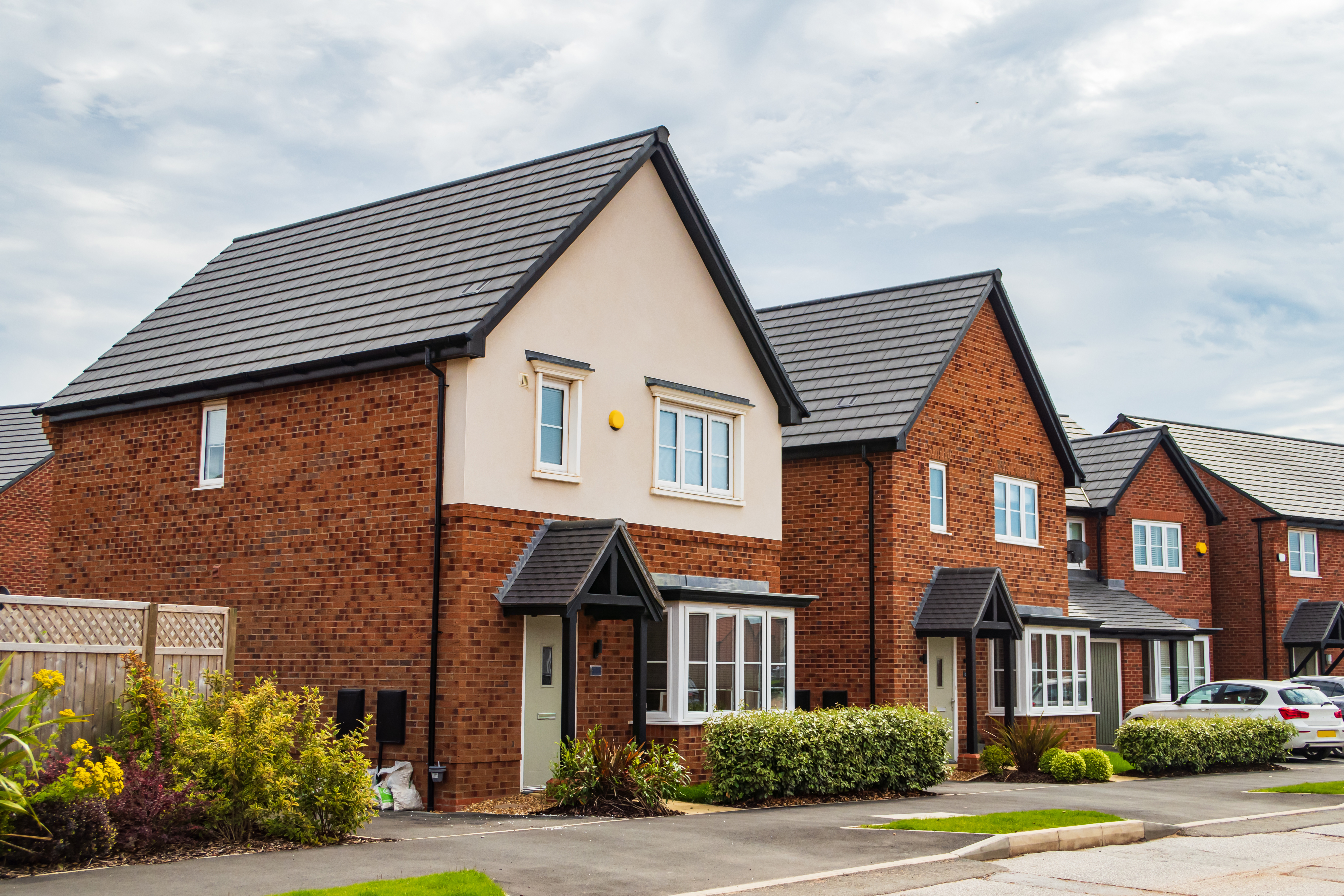
Buying a new build often means buying off-plan: a home that doesn't exist yet. That gives you some say over the finished result, but there are a few things to check first.
Confirm exactly what's included in the price. Kitchen fittings, carpets, and appliances vary a lot between developers, and what's shown at the show home stage isn't always what turns up on completion day.
Check your mortgage lender is comfortable with off-plan purchases. Some are more cautious than others, and your mortgage offer will only be valid for a set period, often six months. If the build overruns, you may need to reapply, so ask your broker how that's handled before you commit.
You'll be given two key dates: a short stop date, when the developer expects to finish, and a long stop date, the final deadline the property must be completed by. The gap between the two tells you how much slack is built into the schedule.
Leasehold vs freehold
This section has changed more than any other since new build houses started moving away from leasehold as standard. Ground rent on new leases has been capped at a peppercorn, effectively nothing, since 2022, so the escalating ground rent stories from a few years ago shouldn't apply to anything genuinely new. The Leasehold and Freehold Reform Act 2024 goes further: once it's fully in force, new houses in England and Wales will have to be sold freehold, with only narrow exceptions. That part of the law hasn't commenced yet and there's no confirmed date, but plenty of developers are already selling new houses freehold as standard, ahead of the requirement.
Flats are a different matter and are still typically sold on a leasehold basis, usually on long terms of 125, 250, or even 999 years. Don't take the tenure for granted either way. Ask directly whether the property is freehold or leasehold, and if it's leasehold, get the lease length and any ground rent or service charge terms in writing before you commit.
Find your first home with The Guild
Ready to search for your first home? The Guild is here to help. Find a local property professional who knows the new build process and can guide you at every step.

The Guild is a UK-wide network of hand-selected independent estate agents across the UK. Whether you are buying, selling, letting, or renting, explore where our Members are.